













Understanding Mud Bins
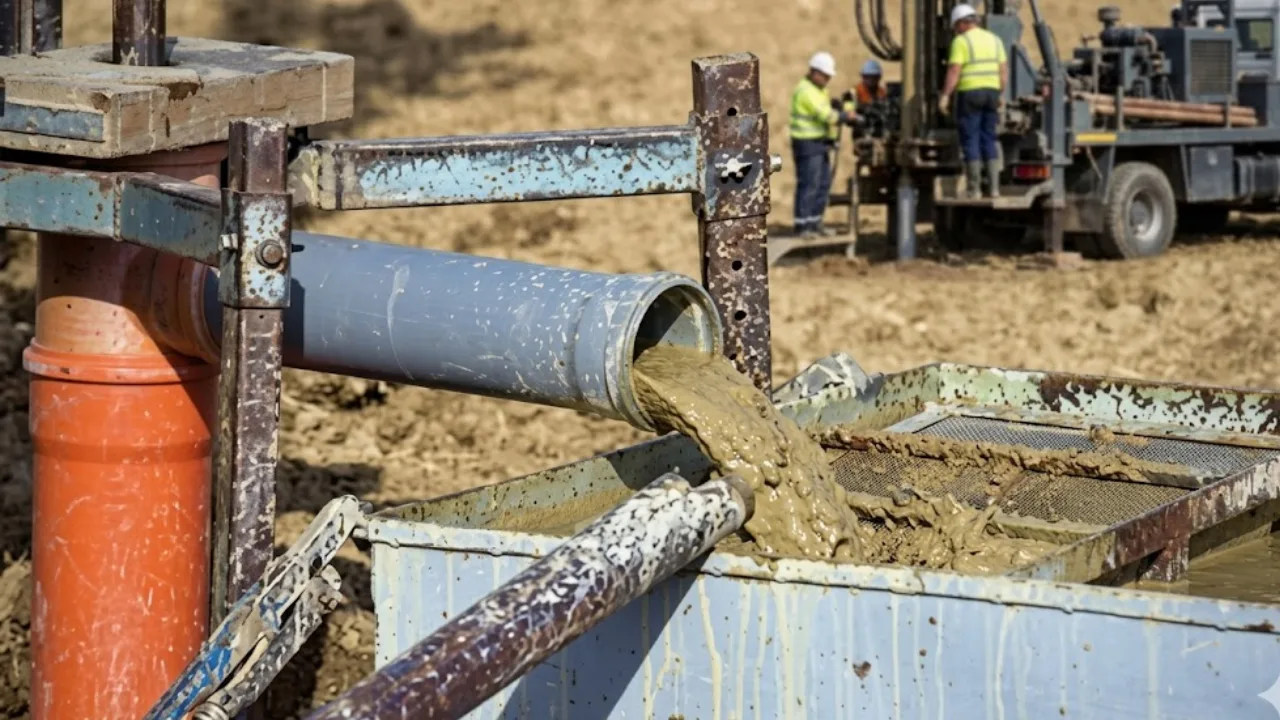
Drilling mud is a specially engineered fluid used in borehole drilling. A mud bin provides safe, compliant storage and transportation of drilling fluid waste.
What Is Drilling Mud?
Also called drilling fluid, it is engineered for use in borehole drilling — especially in oil and gas extraction. It serves several critical functions on site:
- Cools and lubricates the drill bit
- Carries cuttings and debris to the surface
- Maintains hydrostatic pressure to prevent blowouts
- Stabilizes wellbore walls during drilling
- Controls formation fluids and reservoir pressure
Mud Formulations
Drilling mud is formulated from various bases, each chosen based on geological conditions and drilling requirements:
- Water-based: Most common, cost-effective
- Oil-based: For complex or high-temp formations
- Synthetic-based: Reduced environmental impact
Why Do You Need a Mud Bin?
Mud bins are essential for managing the storage, transportation, and disposal of drilling mud and associated waste during drilling operations.
Storage
Hold drilling mud before and after use, ensuring an adequate supply is always ready for circulation at the drill site.
Waste Management
Collect and contain used drilling mud — which may carry harmful substances — for safe disposal or recycling to minimize environmental impact.
Regulatory Compliance
Meet environmental and safety regulations that require proper handling, transportation, and disposal of all drilling waste materials.
Operational Efficiency
Keep the drilling site organized with mud readily available for reuse or disposal, maintaining smooth and continuous operations.
Who Needs a Mud Bin?
Any party involved in drilling operations who requires compliant storage and transportation of drilling waste.
Oil & Gas Operators
Companies overseeing extraction operations requiring proper on-site waste containment throughout the drilling program.
Drilling Contractors
Specialized crews performing borehole drilling who need reliable, compliant mud storage and transport solutions.
Environmental Service Providers
Companies responsible for handling, recycling, and disposing of drilling waste in accordance with environmental regulations.
What Can Go in a Mud Bin?
✅ Accepted Materials
- Used drilling mud (circulated drilling fluids)
- Drill cuttings — rock and soil fragments
- Contaminated fluids — oil, water, and chemical mixtures
- Sludge — semi-solid mud and waste material
- Other drilling process waste requiring containment
♻ Proper Management Matters
- Enables safe recycling of reusable fluids
- Reduces environmental contamination risk
- Keeps your site compliant with regulations
🚫 Not Allowed
- General garbage or solid waste
- Non-drilling chemicals
- Uncontaminated soil
- Household or commercial waste
Mud Bin Sizes
Choose the bin that fits perfectly with your project needs.

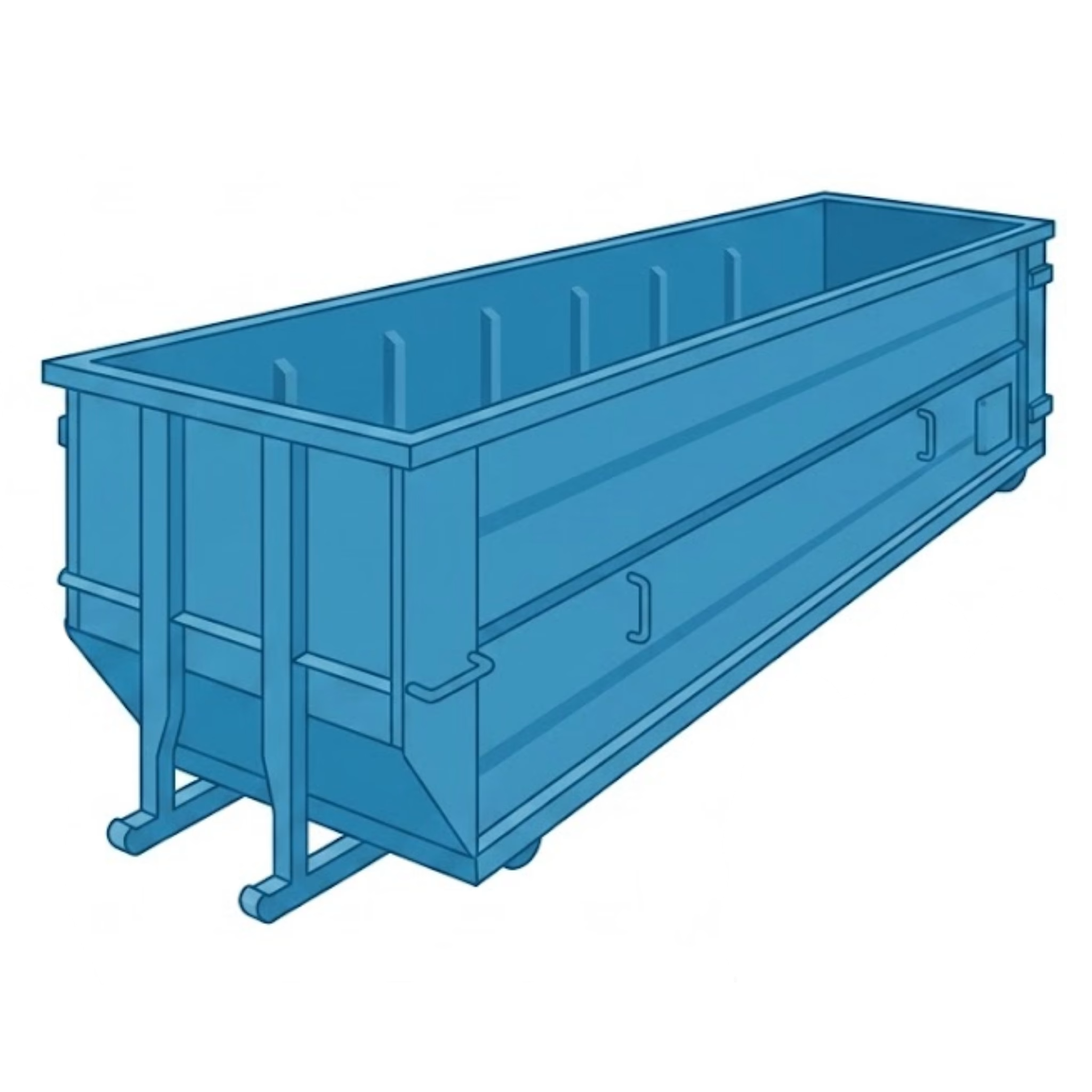
7 Yard
7.5ft Wide × 22ft Long × 18in HighHow It Works
From your first call to final cleanup — here's exactly what to expect.
Call / Get a Quote
Contact us and we'll build a custom estimate tailored to your project and size needs.
Delivery
We deliver and place the bin exactly where you need it on your site.
Fill & Use
Load your debris at your own pace — no rush. Take the time your project needs.
Pickup / Tipping
Call us to haul it away entirely, or request a tipping to empty and return the bin.
Ready to Get Started?
Whether you need a bin for a weekend cleanout or ongoing scheduled service, we have a plan that fits.
Ongoing Services
Reliable, scheduled pickups for offices, restaurants, and commercial properties.
Learn MoreTemporary Bin Rentals
Flexible short-term dumpsters for one-time cleanups, renovations, and projects.
Learn More