








Roll-Off Bins
Learn about our bin options, sizes, and how to choose the right one for your needs
What is a Roll-Off Bin?
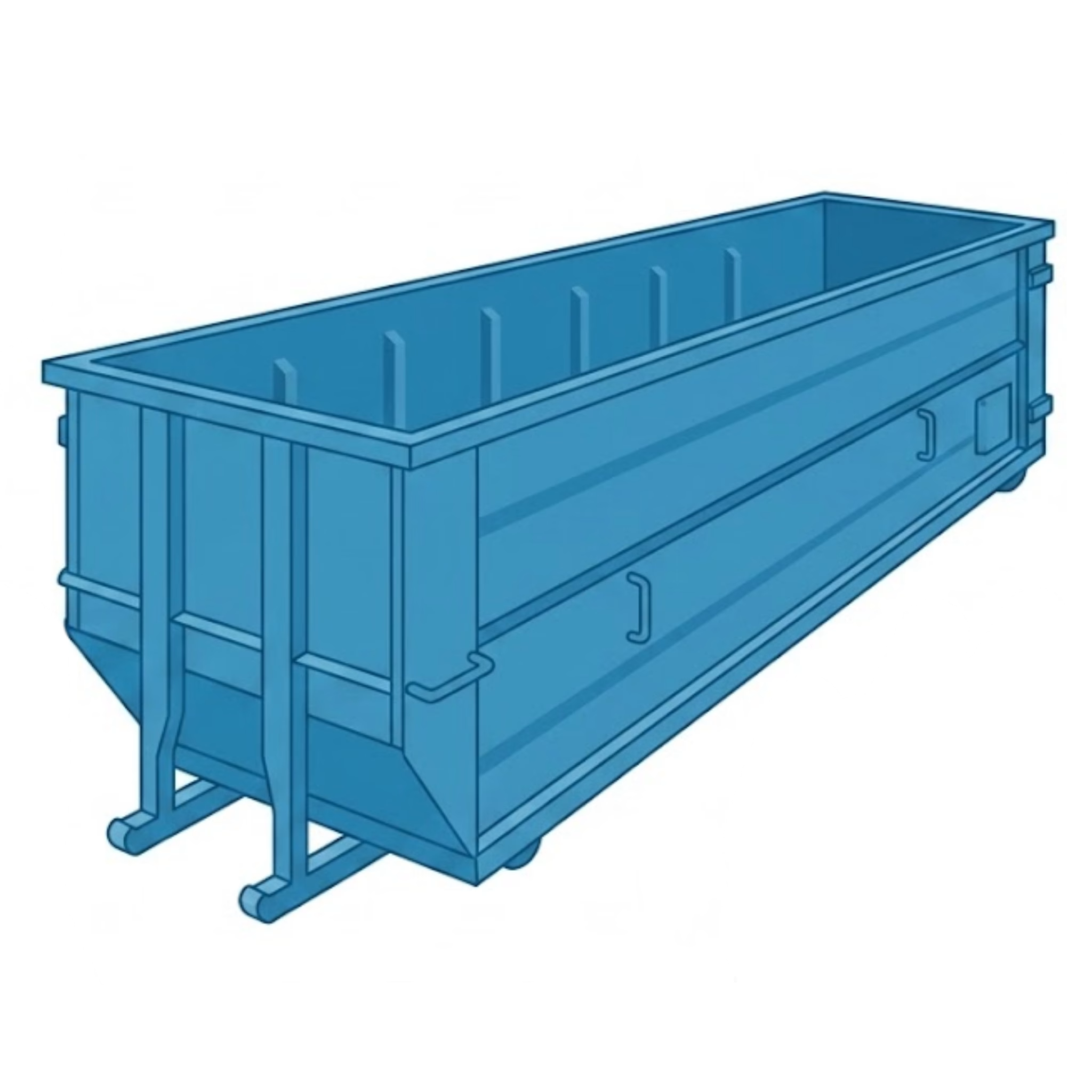
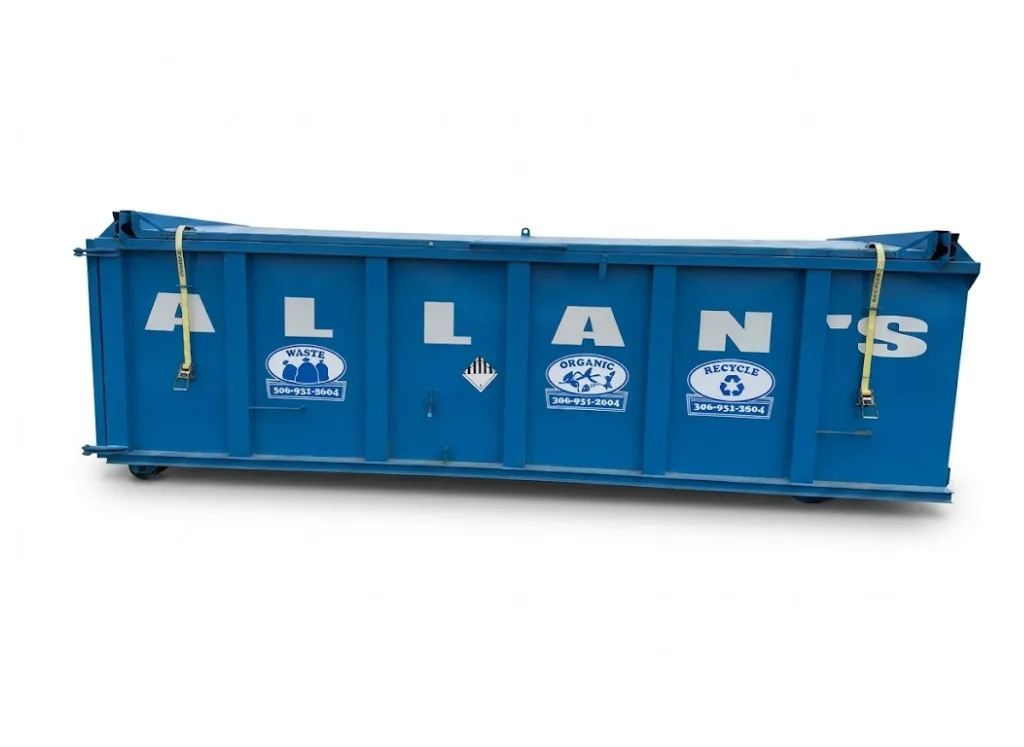
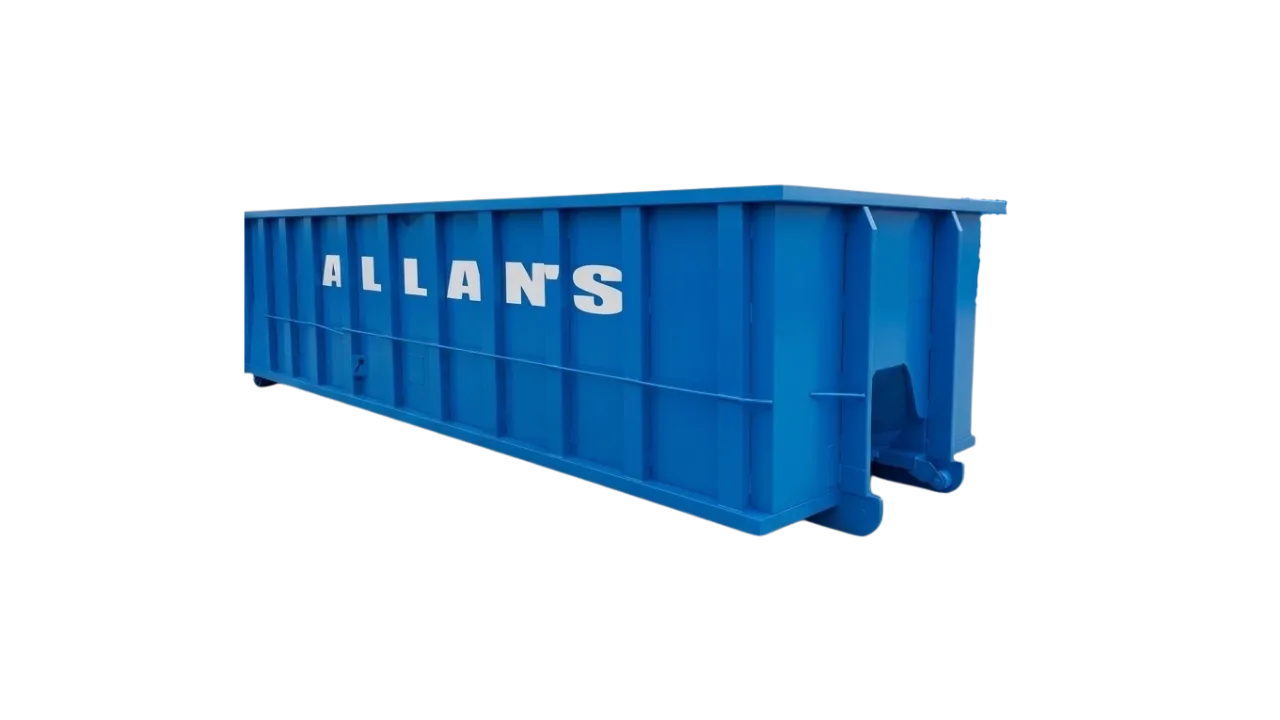
Roll-Off Bins or Dumpsters are open-top or closed containers used to collect certain disposal materials such as waste, construction/renovation materials, asbestos, soil & more. They are the most used because sometimes a project needs a disposal method that is easy and quick.
It’s important to separate your disposal materials into the right bins because different materials need to be processed in different ways. Some go to the landfill, and others go to the recycler, composter, or other designated place. Proper sorting ensures each material is disposed of correctly, helping protect the environment.
Perfect for:


Find the right bin
Filter by material type — hazardous, recyclable, or general waste.
Waste
Non‑biodegradable and non‑recyclable rubbish. Stored safely until landfill disposal.
Learn More
Recycling
Cardboard, paper, plastics, glass — all recyclable materials in one stream.
Learn More
Construction & Renovation
Safe disposal of construction, demolition, and renovation debris — wood, drywall, furnishings.
Learn More
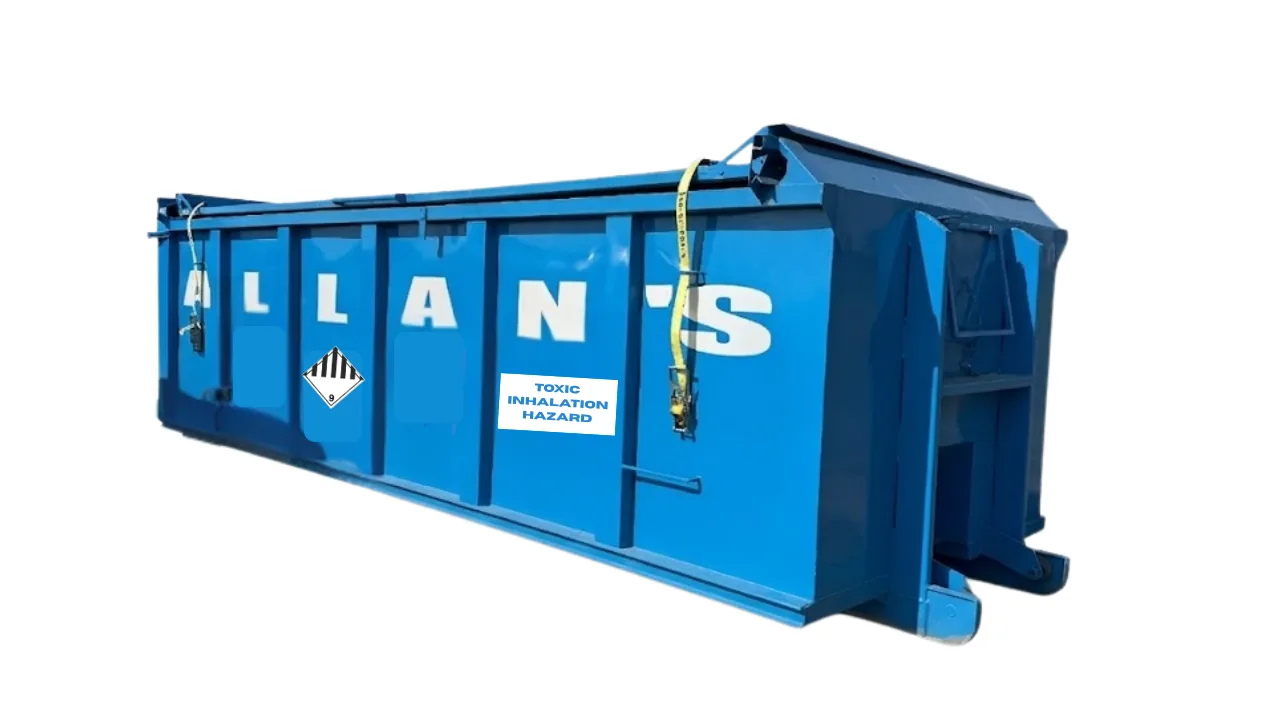
Asbestos
Secure containment and disposal of asbestos‑containing materials (ACM).
Learn More
Concrete Washout
Collects wet concrete and water — prevents environmental runoff.
Learn More
Asphalt
Asphalt from driveways and lots — recycled into new pavement.
Learn More
Property Cleanouts
Household junk, furniture, and clutter — one bin for full cleanouts.
Learn More
Roofing Shingles
Shingles, tar paper, nails — sent for recycling where possible.
Learn More
Cannabis Waste
Secure, compliant disposal of cannabis by‑products and plant material.
Learn More
Contaminated Soil
Hydrocarbon‑impacted soils, sludges, and liquids — proper treatment.
Learn More
Copper
Copper and non‑ferrous metals — recycled and credited back to you.
Learn More
Clean Wood
Untreated lumber, pallets, and wood scrap — processed for recycling.
Learn More
Dirt, Topsoil & Sod
Clean fill, topsoil, and sod — repurposed or recycled.
Learn More
Drilling mud
Drilling fluids and cuttings — processed for solids control.
Learn More
Dry Concrete
Hardened concrete rubble — crushed and recycled as aggregate.
Learn More
Elm Trees
Elm wood disposal to prevent Dutch elm disease — regulated handling.
Learn More
Manure
Animal and bird manure — proper disposal to prevent runoff.
Learn More
Pigeon Waste
Safe cleanup of pigeon droppings — health hazard mitigation.
Learn More
Railway Ties & Power Poles
Treated wood (creosote) — compliant disposal for ties and poles.
Learn More
Rocks & Gravel
Clean rock and gravel — screened and recycled for aggregate.
Learn More
Steel
Ferrous metals — recycled and credited back to your account.
Learn More
Sulfur Fertilizer
Safe containment of sulfur fertilizers — prevents soil contamination.
Learn More
Tire & Rims
Tires with rims — separated and recycled; steel rims recovered.
Learn More
Trees and Branches
Yard waste, brush, stumps — ground for mulch or compost.
Learn MoreNeed Something Else?
Custom waste streams? We'll find a solution. Get in touch.
Contact UsChoosing the right bin size depends on the material type and the
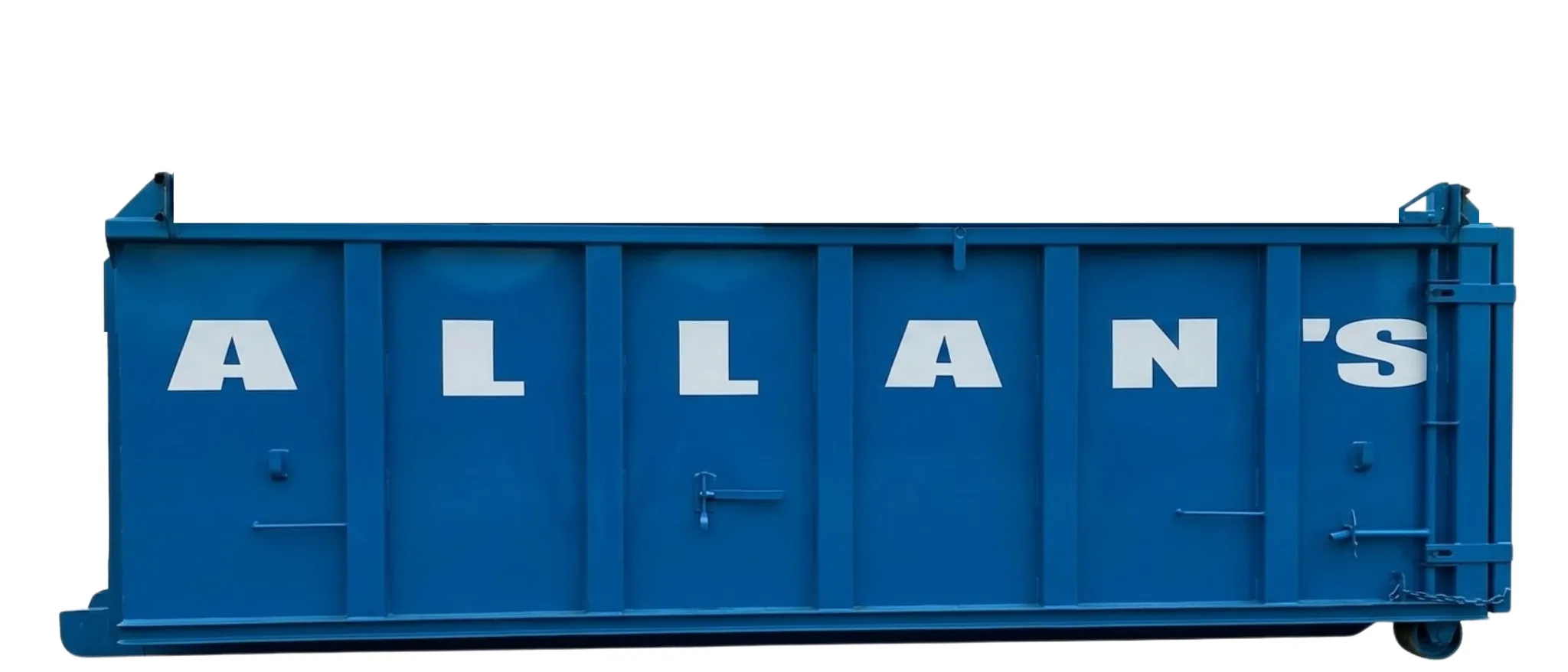
quantity of those materials. Heavy materials such as concrete, soil, shingles,
and demolition debris may require a different size than lighter waste like household junk, wood,
cardboard, or renovation materials.
Not Sure If a Roll-Off Bin Is What You Need?
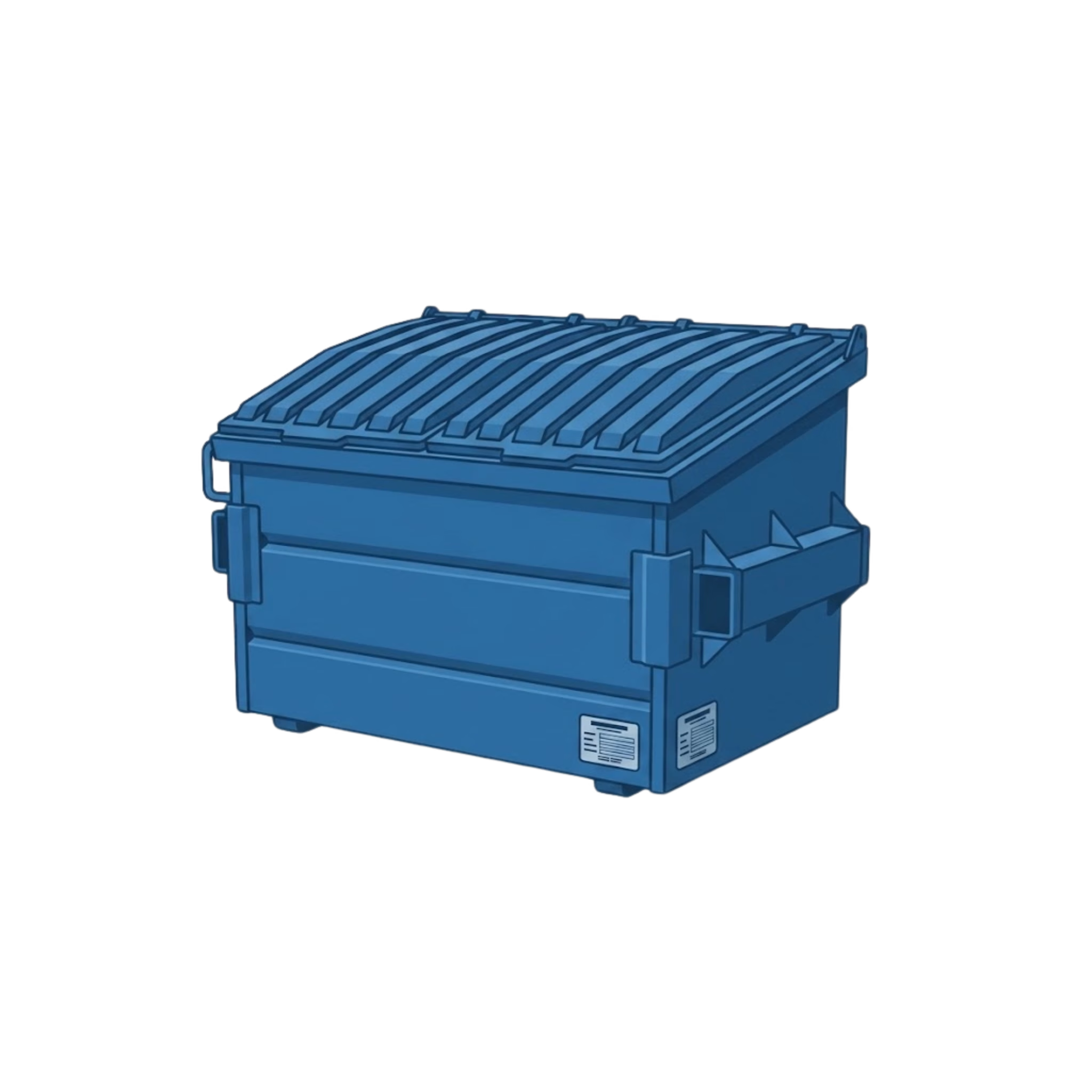
Find out whether a Front Load Bin or a Roll-Off Bin is the right fit
for your business, renovation, construction, or cleanup project.
The size depends on the type of material and the total amount being disposed of.
Bin Placement
City or Town
The bin can ONLY be placed on your property:
- On the driveway
- On a gravel pad
- On the street in front of your property (customer must obtain a permit – see Saskatoon permit info)
- A safe spot, as the customer is responsible for any damages where the bin is placed
BINS ARE NOT ALLOWED on the grass, back alleys, or public areas.
Farm or Acreage
The bin can ONLY be placed on your property:
- On the driveway
- On a gravel pad
- On an easily accessible flat spot where our truck can maneuver
- A safe spot, as the customer is responsible for any damages where the bin is placed
BINS ARE NOT ALLOWED on the road, grass, or public areas. See government regulations for details.
Steps to Ensure Your Bin is Tipped
To help us tip your bin safely and efficiently, please ensure the following:
- The bin is not overfilled.
- Nothing (vehicle, objects, or debris) is blocking access to the bin.
- Debris/waste/recycling materials are not piled against the bin, preventing it from being moved.
- The gate or fence providing access is unlocked, or we have the key/code.
- Weather conditions do not prevent tipping (e.g., ice or excessive snow around the bin).
- The road leading to the bin is open and accessible.
- The bin is not empty.
- The bin does not contain appliances, tires, or hazardous materials.
- It is safe to tip the bin at the time of service.
If our team cannot tip your bin upon arrival for any reason, we will document the issue. Your bin will be tipped on the next available service day if it was our fault (for example, truck issues or a missed schedule).
Not Sure If a Roll-Off Bin Is What You Need?
Find out whether a Front Load Bin or a Roll-Off Bin is right for your business or cleanup project.
Your Configuration
Configuration Details
Preview
Select Rental Term
Choose your preferred rental duration to get an accurate quote.